
Why U.S. Moves Fail
Three Things That Can Delay a Pet Move
01
One Wrong Digit
A microchip mismatch across forms, vaccine records, or travel documents can delay boarding or U.S. clearance. We verify the number before departure.
02
Wrong Arrival Airport
Foreign-vaccinated dogs from Vietnam must arrive at the U.S. airport linked to their CDC-registered animal care facility reservation and CDC Dog Import Form receipt.
03
Wrong Order
For foreign-vaccinated dogs from high-risk countries, the microchip must be implanted before the rabies vaccine. If not, the vaccine may not count for U.S. entry.
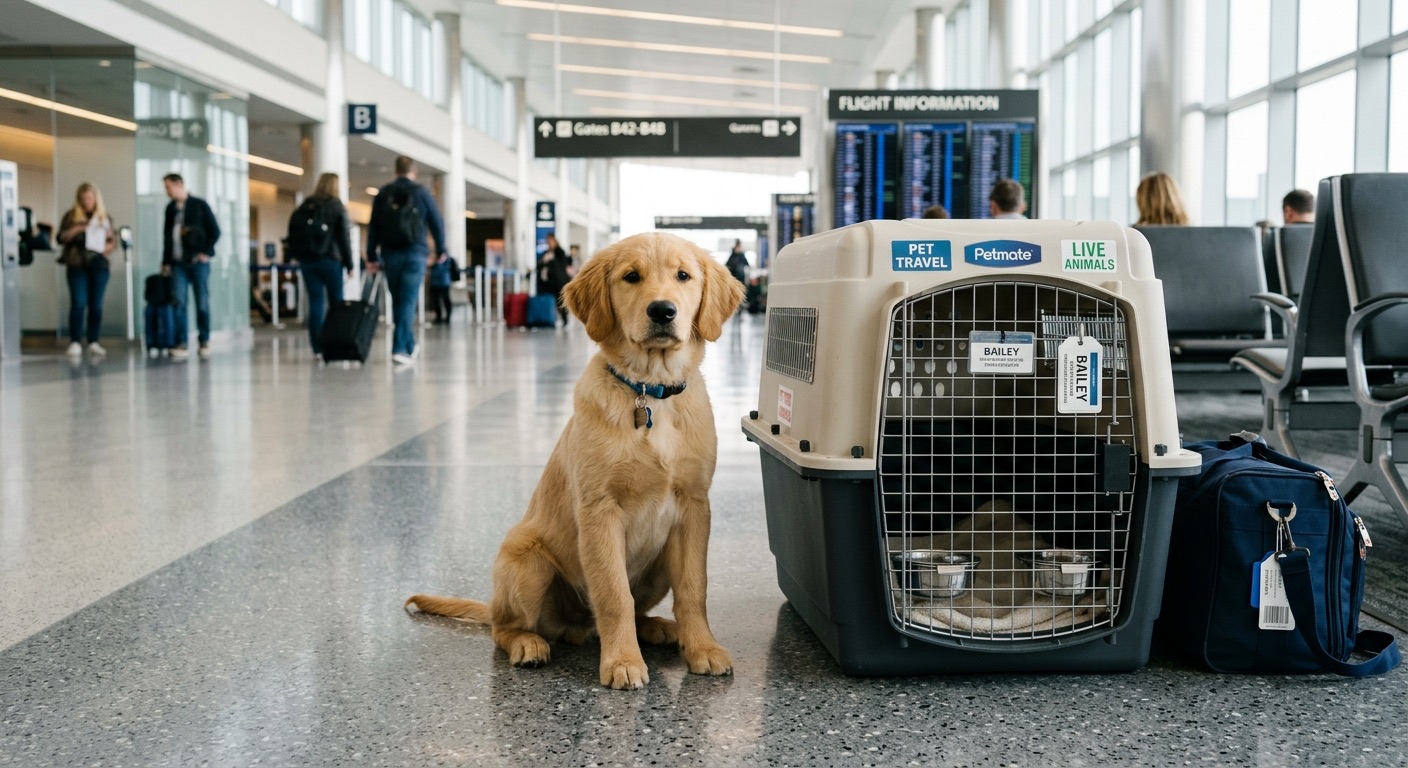
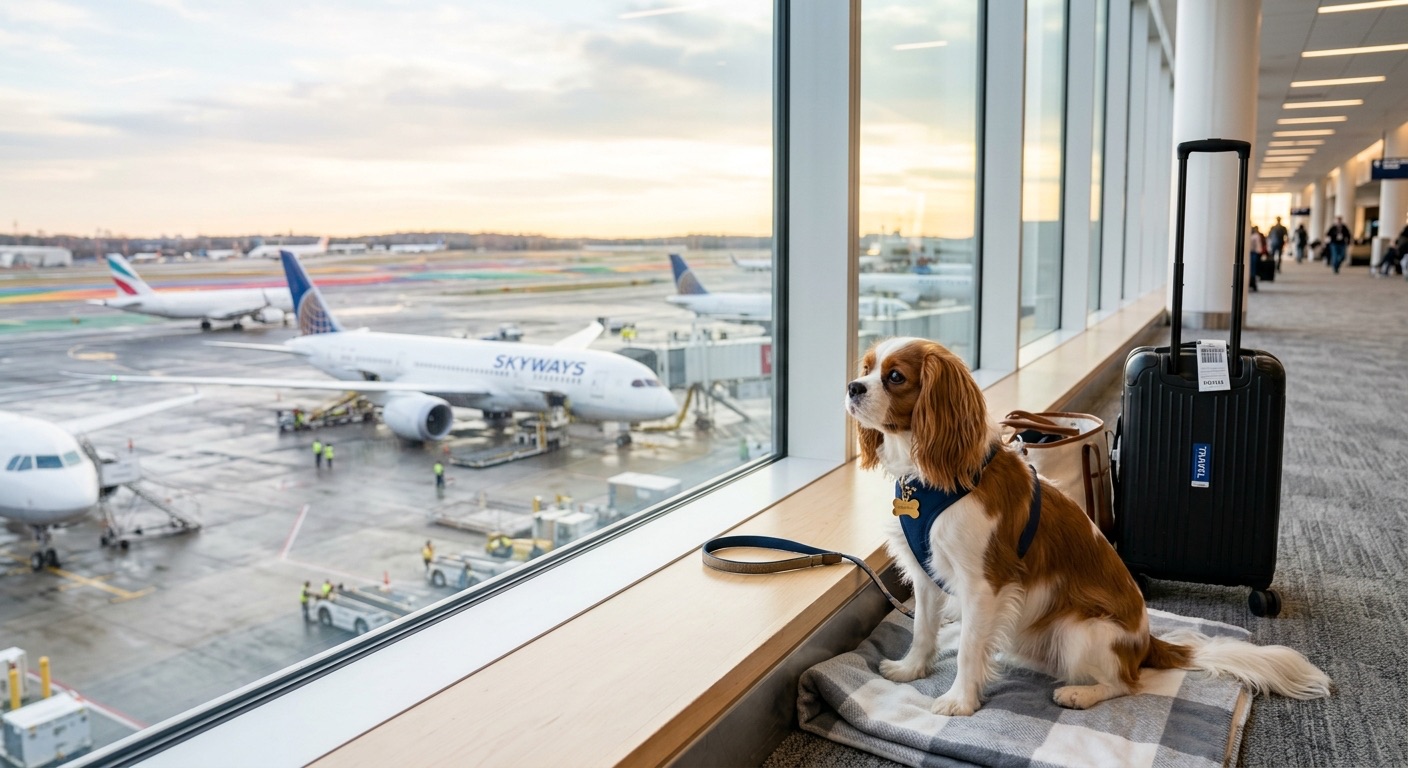
Pets we've moved to the United States

Before You Book
What the U.S. Actually Requires
Dogs and cats do not follow the same entry path. Dogs from Vietnam are subject to CDC high-risk dog-rabies rules, while cats are mainly controlled by airline, state, and territory requirements.
Dogs
CDC High-Risk Entry Rules
- Vietnam is treated as a high-risk country for dog rabies by CDC
- Dog must be at least 6 months old at U.S. entry
- Dog must appear healthy on arrival
- Microchip must be detectable by a universal scanner
- Microchip must be implanted before the rabies vaccine
- CDC Dog Import Form receipt is required
- Foreign-vaccinated dogs need a CDC-registered animal care facility reservation
- Arrival airport must match the CDC facility reservation and CDC Dog Import Form receipt
- Rabies serology titer may help avoid 28-day quarantine if valid
Dogs without a valid rabies serology titer may need 28-day quarantine at a CDC-registered animal care facility.
Cats
Airline & State Rules
- CDC requires cats to appear healthy on arrival
- CDC does not require proof of rabies vaccination for cats entering the United States
- Rabies vaccination is still recommended and may be required by the destination state or airline
- A health certificate may be required by the airline or destination state
- Hawaii and Guam have separate quarantine rules
- IATA-approved carrier or crate requirements depend on the airline and travel mode
Cat moves are usually simpler than dog moves, but final requirements depend on airline, state, and territory rules.
What We Handle
You Focus on the Move. We Handle the Pet.
One team manages everything — from records review to airline coordination and U.S. arrival document preparation.
Get a Custom Plan
Records & Timeline Audit
We review vaccine history, microchip records, rabies timing, and the intended travel window before committing to a plan.
CDC Dog Import Form & Entry Documentation
For dogs, we prepare and check the CDC Dog Import Form receipt, supporting rabies and microchip records, and facility reservation details where required.
In-House Vet Prep
We coordinate microchip scanning, compliant vaccination timing, clinical checks, and health documentation in the correct order.
Airline Booking
We coordinate with airlines and cargo teams that can accept pets on the selected route, aircraft, season, and destination airport.
Crate Fitting
We help select an IATA-compliant travel crate sized for your pet, with time for pre-travel acclimation.
Airport Departure
Our team supports final inspection, document handoff, export procedures, and coordination with the airline or cargo team.
Clear Answers
Pet Relocation FAQs
How early do we need to start?
We recommend starting 3–4 months before the target travel date. Some cats or dogs with clean records may move faster, but dogs from Vietnam need careful review because CDC high-risk rules apply. We confirm the realistic timeline only after checking the pet's microchip, rabies records, destination airport, and airline route.
Do dogs and cats follow the same rules?
No. Dogs from Vietnam are subject to CDC high-risk dog-rabies rules, including age, microchip, rabies vaccination, CDC Dog Import Form receipt, and, for foreign-vaccinated dogs, a CDC-registered animal care facility reservation. Cats do not need a CDC dog-import form and CDC does not require rabies proof for cats, but airline and state rules still apply.
Can my dog arrive at any U.S. airport?
Not always. Foreign-vaccinated dogs from high-risk countries must arrive by air at the U.S. airport where the CDC-registered animal care facility reservation is located. The arrival airport should also match the airport listed on the CDC Dog Import Form receipt.
What if my pet's records are incomplete or out of sequence?
We audit records before booking. If there is a gap — missing chip date, vaccine given before microchip implantation, mismatched microchip number, expired rabies record, or unclear certificate — we identify it early and build a corrected timeline. Finding the problem at departure is not an option.
Do cats need a rabies certificate to enter the United States?
CDC does not require proof of rabies vaccination for cats entering the United States. However, rabies vaccination is still recommended, and the destination state, airline, or onward travel plan may require it. Hawaii and Guam also have separate quarantine rules.
Why not use only a cargo agent?
A cargo agent can help book flight space, but pet relocation also depends on biological readiness, document timing, microchip accuracy, airline acceptance, crate compliance, and U.S. entry rules. We check the pet's records and route before booking so the move is planned around the actual entry requirements.